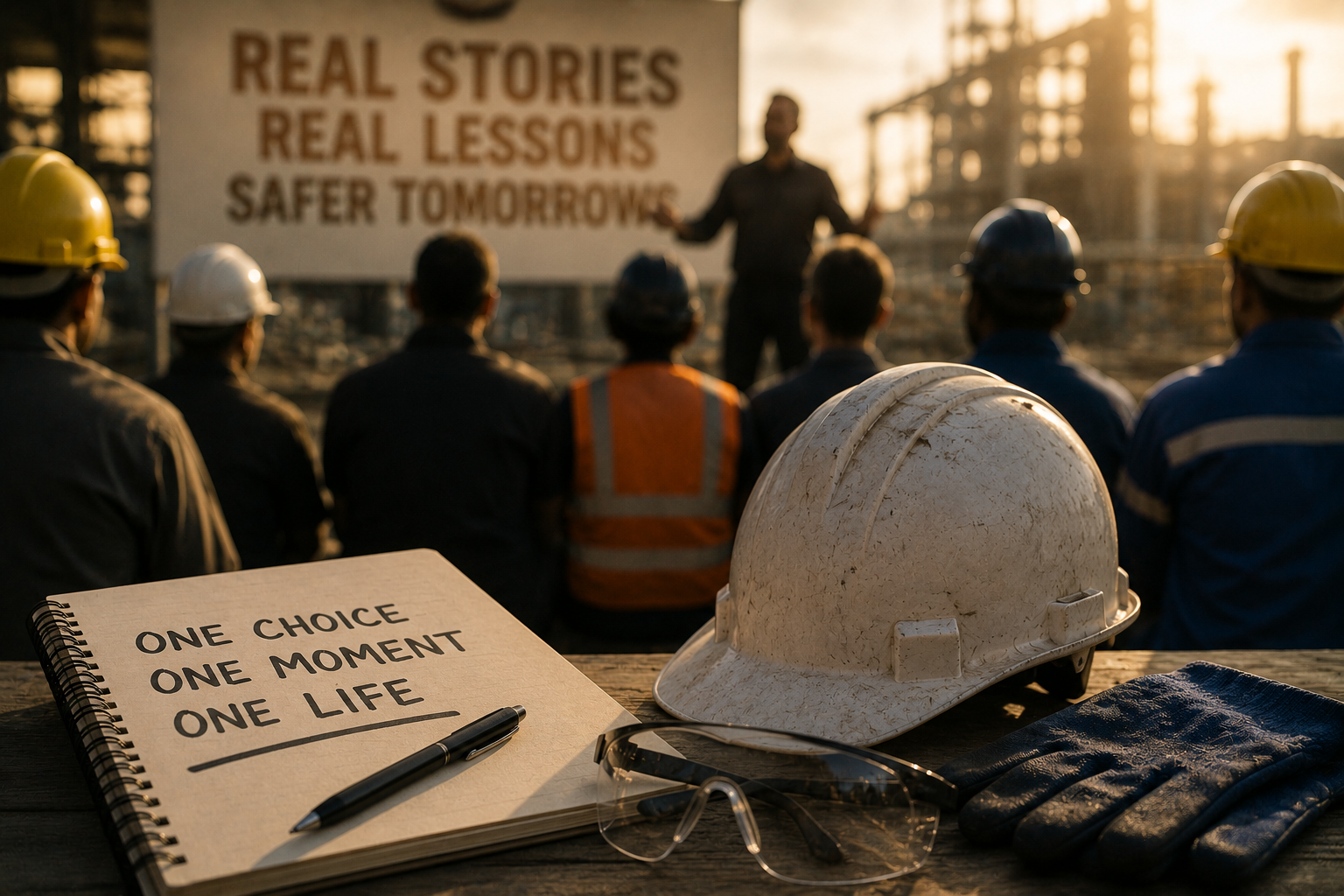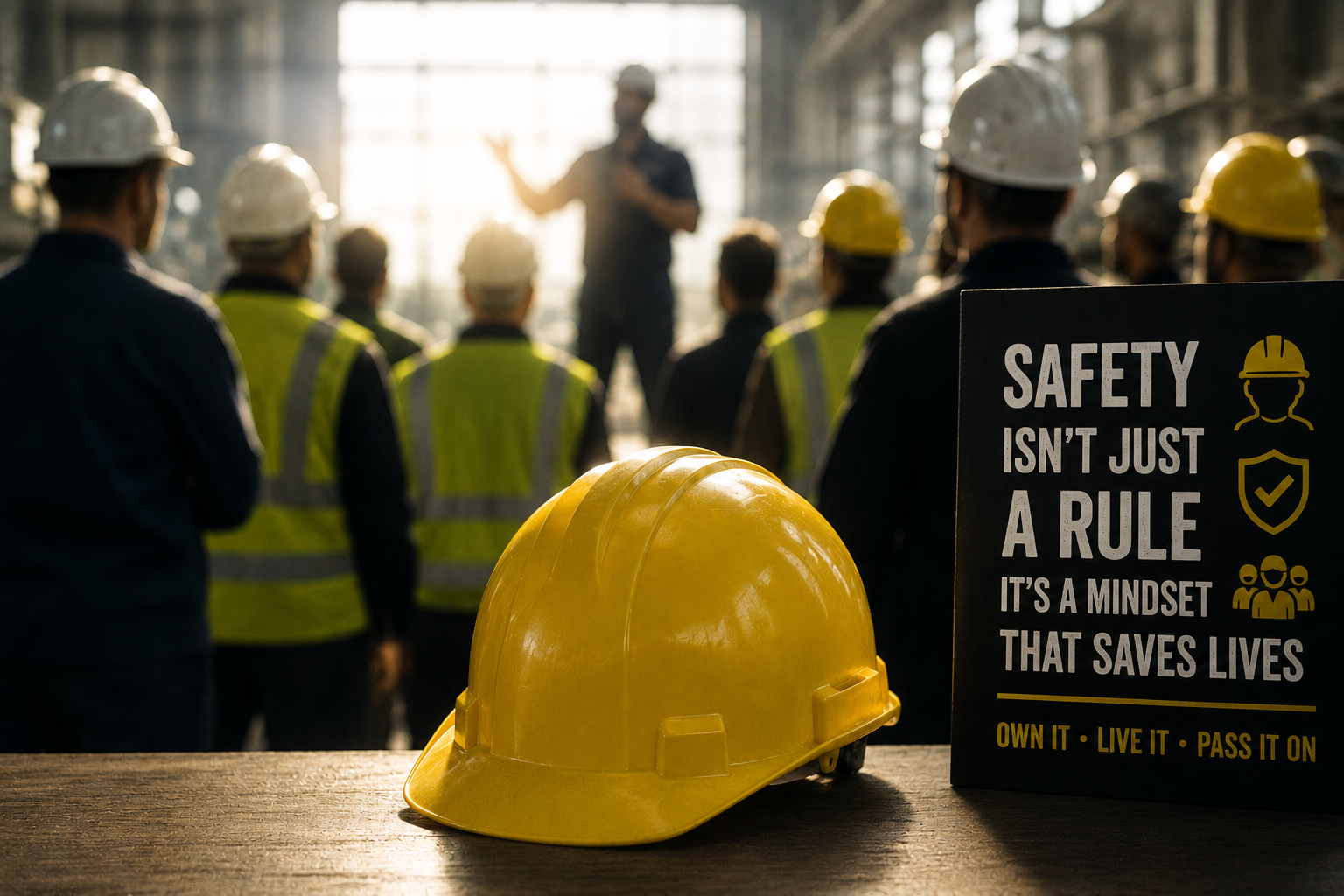
Behavioural based safety is not only about rules, procedures or workplace systems. It is about the daily choices people make, the risks they accept and the habits they develop over time.
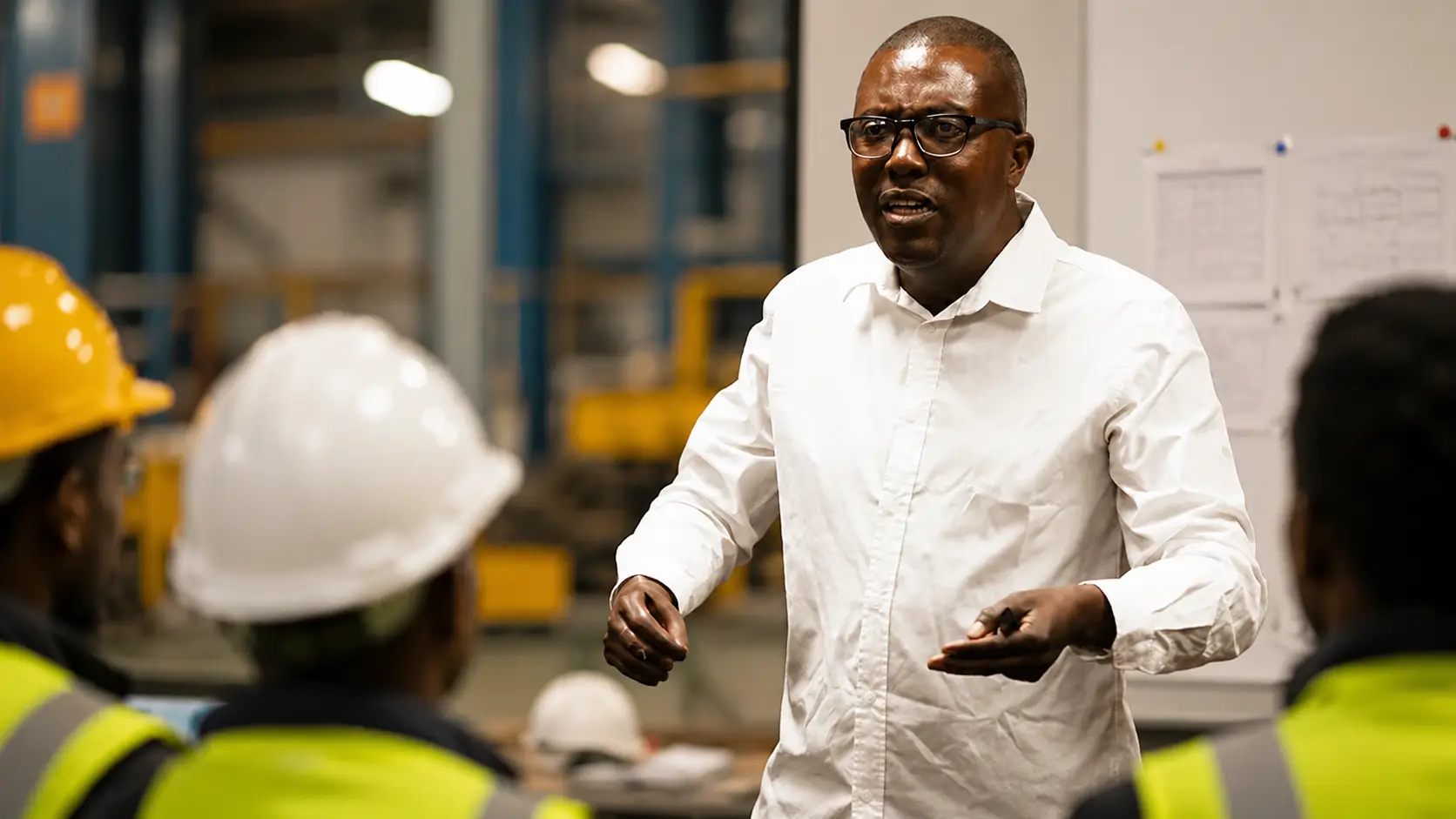
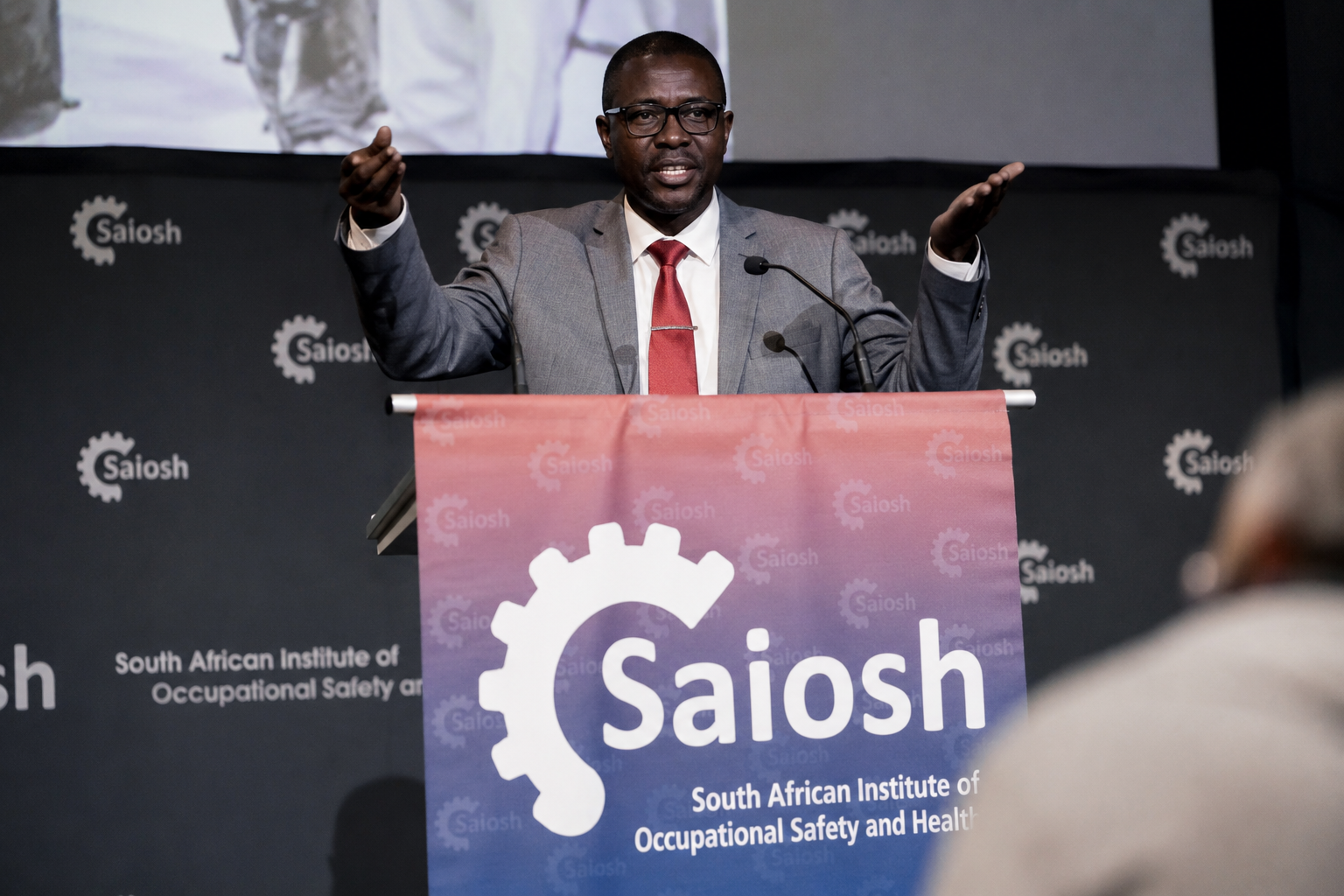
Partington Oswald Mtatabikwa’s Royal Eswatini Behavioural Based Safety talk focused on one clear message: employees must take ownership of their personal safety if serious injuries and fatalities are to be prevented.
His mission is to help fellow employees prevent fatalities and serious injuries by taking responsibility for their own safety. On the original page, Partington describes this as the foundation of his work and shares his latest speech in Eswatini, focused on behavioural based safety at work.
What Is Behavioural Based Safety?
Behavioural based safety looks at how people act in the workplace and how those actions affect risk.
It recognises that safety is not only controlled by paperwork, training manuals or management systems. It is also shaped by individual behaviour. This includes how workers respond to pressure, whether they follow safe procedures, how they challenge unsafe shortcuts and whether they look out for themselves and others.
Partington’s message is powerful because it comes from personal experience. He understands the human cost of workplace incidents and uses his story to remind workers that safety must be taken seriously before something goes wrong.
Why Personal Safety Ownership Matters
One of the biggest challenges in workplace safety is the belief that accidents happen to other people.
Workers may become comfortable with familiar tasks. They may rely too much on experience. They may take shortcuts because a job seems simple, urgent or routine. Over time, this creates complacency.
Behavioural based safety challenges that mindset.
It asks every worker to stop and think:
Is this safe?
Am I taking unnecessary risks?
Could this decision affect me, my family or someone else?
Am I taking ownership, or am I simply assuming nothing will happen?
Partington’s Royal Eswatini talk encouraged employees to think about safety at a personal level. This is where real change begins.
Safety Is More Than Compliance
Compliance is important. Workplaces need policies, procedures, risk assessments and training. But compliance alone does not guarantee safe behaviour.
A workplace can have rules in place and still experience serious incidents if people do not believe those rules matter.
That is why behavioural based safety is so important. It connects safety systems with human behaviour. It helps workers understand that safety is not just something written in a document. It is something they must practise every day.
Partington’s work helps make that connection clear. Through his life story and motivational safety talks, he speaks to people’s hearts and minds, encouraging them to take safety seriously at a personal level.
Changing Mindsets Through Real Experience
Partington has seen people’s mindsets towards safety change because of his ability to connect with audiences through his story. He speaks from the heart, and this gives his message impact.
That is what makes his talks different.
He is not simply presenting safety theory. He is showing workers what can happen when safety is not taken personally. His experience makes the message real, memorable and difficult to ignore.
For organisations, this type of speaking can support safety days, toolbox talks, leadership events, behavioural safety campaigns and workforce awareness programmes.
Bringing Behavioural Based Safety Into the Workplace
A strong behavioural based safety culture requires more than one talk or one training session. It requires consistent reinforcement.
Workplaces can support behavioural safety by encouraging open conversations, challenging unsafe habits, recognising positive safety behaviour and making workers feel responsible for their own actions.
However, a powerful safety talk can be the starting point. It can shift attitudes, open discussions and help people see safety differently.
That is the value of Partington’s message.
Final Thoughts
Partington’s Royal Eswatini Behavioural Based Safety talk highlights a simple but vital truth: safety starts with personal ownership.
Every worker has a role to play. Every choice matters. Every shortcut can carry consequences. When employees understand that safety is personal, they are more likely to think before they act and take responsibility for protecting themselves and others.
Through The Zero Mindset, Partington continues to share this message with workers, leaders and organisations that want safety to become more than a rule.
They want it to become a mindset.